Cleft Lip & Conjoined Twins

Educational layout for understanding these complex conditions, the goals of surgery, and supportive care. Replace all placeholder text and images with institution‑approved, ethical educational content.

Important: This page structure is for education and awareness only. It must not be used as a guide to perform surgery. Actual surgical care for cleft lip or conjoined twins is provided only by qualified medical teams in accredited hospitals, following local laws, ethics, and safety protocols.

Cleft Lip – Overview

Congenital condition where the upper lip does not form completely before birth.

Use this section to describe, in simple language, what a cleft lip is, how common it is, and how specialized teams support children and families.

  • Basic anatomy and how the lip normally forms.
  • How a cleft lip can affect feeding, speech, and appearance.
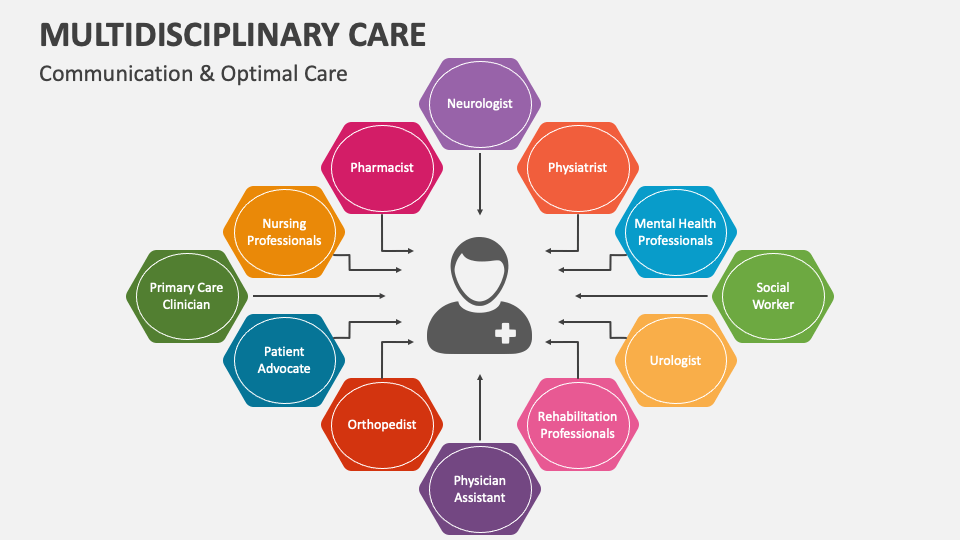
  • How multidisciplinary teams (surgeons, nurses, speech therapists) work together.

Instead of step‑by‑step surgical instructions, focus on the goals:

  • Re‑align the lip to create a more continuous shape.
  • Support feeding, speech development, and oral function.
  • Support emotional well‑being and social confidence.
No operative instructions: Do not describe how to cut, suture, or operate. Keep this section focused on understanding, expectations, and support for families.
  • Feeding support and special bottles.
  • Follow‑up visits and long‑term planning.
  • Emotional support for children and families.
Awareness Family education No surgical instructions

Conjoined Twins – Overview

Extremely rare condition where twins are physically connected at birth.

Use this section to explain, at a high level, how conjoined twins develop and how complex their care is. Emphasize that every case is unique.

  • Different types of connections (chest, abdomen, head, etc.).
  • How shared organs and blood supply affect decisions.
  • The role of ethics, family wishes, and long‑term planning.

If separation surgery is considered, teams focus on:

  • Detailed imaging and planning to understand shared structures.
  • Balancing risks and potential quality of life for both children.
  • Coordinating many specialists (surgeons, anesthesiologists, ICU, ethics, etc.).
Do not teach how to operate: This layout is only for describing concepts, not for teaching surgical techniques. Real decisions and procedures belong to expert teams.
  • Psychological and social support for the family.
  • Rehabilitation and follow‑up after any procedures.
  • Respecting cultural, spiritual, and personal values.
Rare condition Ethics & planning Specialist care only